


Who are Service for the Complex Assessment of Neurodevelopment (SCAN)
Formerly known as the Social Development Clinic – SDC, SCAN is a specialist service that supports children and young people aged 3 to 18 years with complex neurodevelopmental differences, meaning differences in how the brain develops and how someone learns, communicates, and understands the world.
We use a whole-person, holistic approach, which means we think about everything that might be affecting a young person’s development and wellbeing, including:
- Different developmental and learning needs
- Environment and experiences at home, school, and in the community
- Any genetic or physical health factors that might play a part
Our service is for children and young people who still need answers or support after local assessments. We help when there are unresolved questions about a diagnosis, or to explore ways to best support a young person’s needs.
Our People
- Consultant Child and Adolescent Psychiatrists
Dr Shruti Garg
Dr Roshelle Ramkisson - Consultant Clinical Psychologist
Dr. Paul Abeles - Clinical Psychologist
Dr Fiona O’ Donovan - Specialist Speech & Language Therapists
Katy Baldwin
Isabelle Barker - Specialist Occupational Therapist
Joan O’ Rafferty - Specialist Nurse
Sue Wilkinson - Team Secretary
Alison Clegg
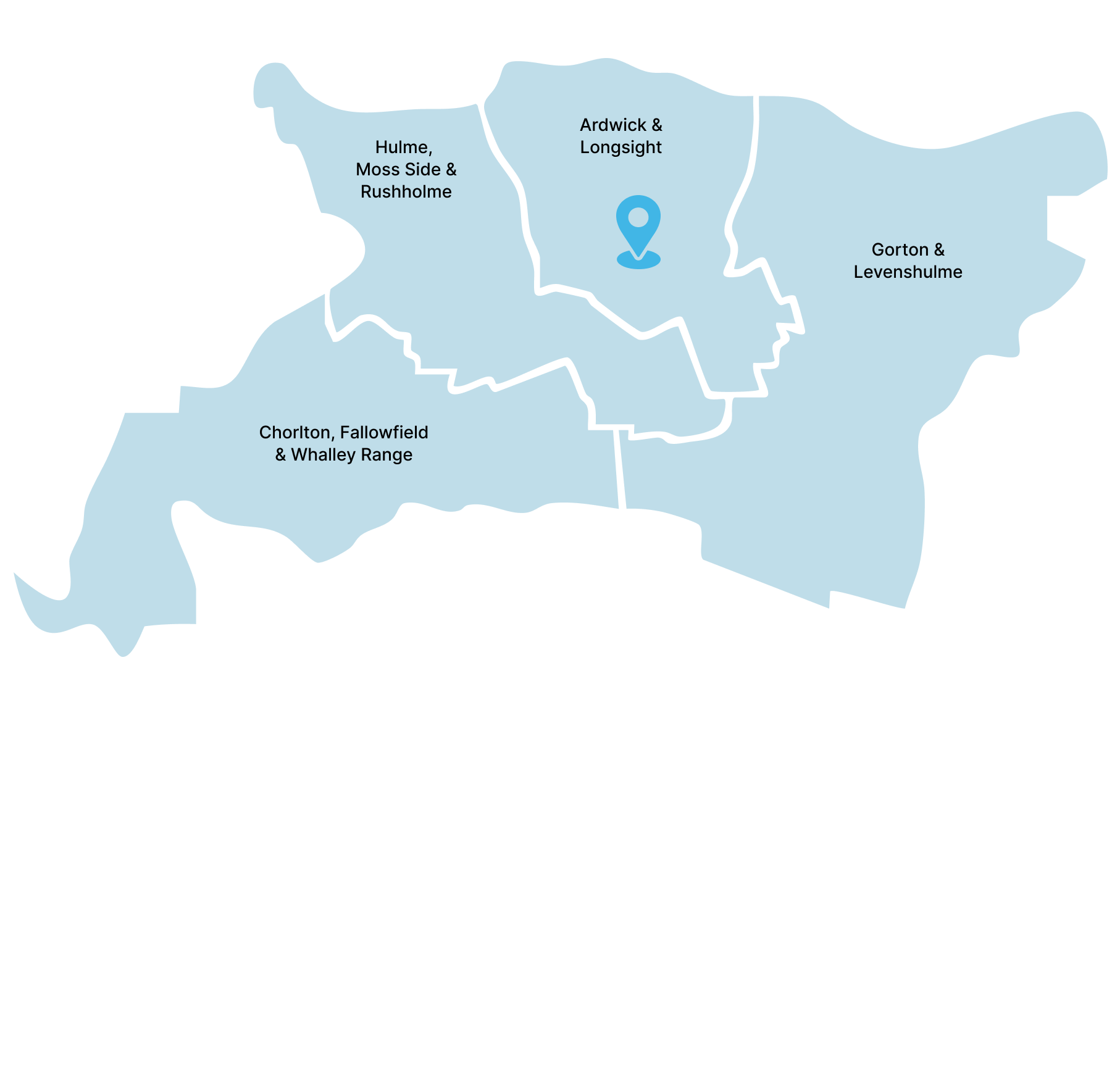
SCAN Location
Contact Details:
How to get to us:
By bus: 11, 14, 15, 16, 41, 42, 43, 46, 48, 111, 142, 143 (Hathersage Road, Whitworth Park, or St Mary bus stops)
By train: The nearest station is Manchester Oxford Road.
In need of urgent help?
Get Urgent Help NowAccess to SCAN
Referrals to the SCAN service are accepted when the following requirements are met:
- You/your child has complex needs and already have had a full local assessment.
- Referrals must come from a CAMHS or paediatric specialist (GPs cannot refer directly) – We may contact the referrer before or during the assessment for extra information.
- Referring teams must keep the case open locally while SCAN considers the referral.
- Referring teams must stay involved and continue supporting your child after the SCAN assessment.
Referrers are welcome to attend the assessment to help with care planning and understanding. Most assessments are completed in one day, but extra visits can happen if needed and you will receive a full report with recommendations within six weeks.
Consultation appointments:
We also offer consultation appointments for the referring team, where two to three members of the SCAN team meet with the professionals who know you/your child. This collaborative approach helps everyone develop a shared understanding of you/your child’s needs and guides the next steps for support
Waiting Times
Once a referral is received, we aim to contact you within 4 weeks.
Frequently Asked Questions
We work with children and young people who have complex developmental, learning, or social needs and may need more specialist support. This can include:
- Learning or developmental difficulties, such as intellectual disability or global developmental delay
- Exposure to drugs or alcohol during pregnancy, including Fetal Alcohol Spectrum Condition (FASD)
- Hearing or vision difficulties that make assessments harder to complete locally
- Genetic or metabolic conditions that affect development in different ways
- Attachment or emotional difficulties linked to early experiences, neglect, or other life challenges
- Complex autism presentations, such as when:
- A second opinion is needed
- There’s uncertainty or disagreement between professionals
- Social and communication differences are affected by past experiences or trauma
Before your visit, someone from the SCAN team will contact you to gather some background information. This might be through a phone call, video call, or written form.
We’ll also speak to you/your child or young person’s school or college to gather more information.
The main assessment happens at The Harrington Building, Royal Manchester Children’s Hospital. It usually takes place over one longer session (around 10am–3pm).
During the day, you/your child will meet different members of our specialist team. They’ll carry out a range of assessments to help us understand you/your child’s strengths and areas we need to explore for support.
- You’ll meet a range of professionals, like psychologists, speech and language therapists, and specialist nurses.
- We’ll talk with you and your family, lead some activities and assessments (these might feel like games or tasks).
- At the end of the day, we’ll give you feedback and talk about what might happen next, for example, if more sessions, school visits, or home observations are needed.
Every assessment is personalised, but it may include:
- Talking about your history and experiences
- Learning, thinking, and problem-solving activities (sometimes called psychometric or cognitive testing)
- Language and communication assessments
- Sensory or motor skills assessments (like coordination, handwriting, or movement)
- Looking at how your child connects with others, including attachment and family relationships
- Checking for any other conditions or factors that may affect development
Once everything is complete, we’ll write a report for you and any professionals involved.
This report includes:
- A clear summary of what we found
- Recommendations for next steps
- Ideas for ongoing support at home, in school, or with other services