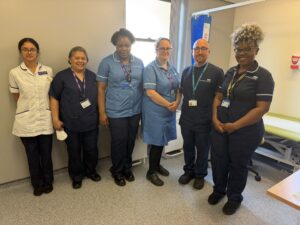
Chiesi and Manchester University NHS Foundation Trust have today announced the launch of a targeted nurse-led transplant clinic at Manchester Royal Infirmary as part of the PIONEER (Post-Transplant Initiative for Optimising Nurse-led Engagement & Empowering Recovery) project. The clinic introduces a nurse-delivered model, providing a more personalised and tailored approach to follow-up care for post-transplant patients from deprived populations in response to growing evidence that outcomes after kidney transplantation are not experienced equally across patient groups.
 For many, a kidney transplant is a life-line, a second chance they have waited for, often for years.7 On average, a kidney transplant from a living donor lasts for 20-25 years, while one from a deceased donor lasts 15-20 years. However, long-term outcomes can vary, with around 30–40% of kidney transplants not lasting beyond 10 years. When this happens, patients typically require dialysis or a further transplant to restore kidney function.
Mr David Van Dellen, Consultant Transplant & General Surgeon, Manchester Centre for Transplantation, Manchester University NHS Foundation Trust said, “our programme recognises that surgical success is only the beginning – personalised, culturally sensitive post-transplant care is essential to helping each patient achieve the best possible outcome from their transplant. By embedding equity into every stage of the transplant pathway, we aim to ensure that a transplant in Manchester means the same chance of a healthy future for every patient, regardless of background. The PIONEER project is an integral step towards this ambition, providing more personalised support and helping patients protect their transplant for the long-term.”
In the UK, registry data shows that Black kidney transplant recipients experience poorer outcomes than white patients, including higher rates of graft loss and delayed graft function – meaning the transplanted kidney is more likely to fail earlier or take longer to begin working properly after surgery. Younger patients are also at increased risk of transplant failure and a return to dialysis, with a 41% higher risk in those aged 14-23 compared to adults in their mid-30s to early 40s. Evidence also suggests that women may experience reduced long-term survival benefit following transplantation compared to men.
For many transplant recipients, these challenges are experienced within the wider context of social deprivation. Greater Manchester ranks among the most deprived areas in England, with a significant proportion of neighbourhoods in the most deprived decile. The clinic will serve patients from across the region, including many from other areas of high socioeconomic deprivation where additional barriers can affect long-term post-transplant care.
“A transplant can be life-changing, but it is not the end of the patient journey – and there is significant variation in the lives recipients go on to lead following a transplant,” said Shish Patel, Senior Director, Medical Affairs at Chiesi UK and Ireland. “Long-term outcomes are influenced by a range of clinical and wider social factors, and more targeted, personalised approaches are essential to improving post-transplant care for transplant recipients.”

Traditionally, post-transplant reviews at Manchester Royal Infirmary have been conducted by surgeons during routine follow-up appointments, reflecting established models of care. The PIONEER clinic introduces a targeted, nurse-led model designed to provide additional time for education, closer monitoring and personalised support, including tailored pharmacological and non‑pharmacological guidance. This approach also aims to strengthen shared decision‑making, ensuring patients have meaningful opportunities to share their experiences and priorities as part of their ongoing care. Patients eligible for the clinic are identified and selected by clinical teams at Manchester University NHS Foundation Trust based on a range of criteria.
“Every transplant recipient’s journey is unique, and this innovative nurse-led clinic provides a more personalised approach to post-transplant care,” said Malcolm Greenwood-Morgan, Clinical Nurse Specialist, Manchester University NHS Foundation Trust. “Through holistic assessment, medicines optimisation and tailored support, we can identify challenges and work with patients to address barriers that may affect their long-term health and transplant success. By focusing on what matters most to each patient, the clinic aims to improve treatment adherence, enhance wellbeing and quality of life, reduce health inequalities and empower patients to play an active role in achieving the best possible outcomes from their transplant.”
The PIONEER clinic, which launched today, is a 2-year project and will run until January 2028 and evaluate both clinical and patient-reported outcomes. Insights from the programme will be used to inform future approaches to personalised post-transplant care.