A UK-first brain health clinic that is set to transform how dementia is diagnosed, slowed down or prevented launches today (Monday 21 September), World Alzheimer’s Day, in Manchester. Designed as a scalable model that could be adopted nationwide, it represents a major step forward in reshaping the UK’s approach to brain health and dementia care.
Around one million people are living with dementia in the UK, yet at any time, a third do not have a diagnosis. Dementia risk is shaped by a mix of health, lifestyle and environmental factors, but there are positive steps people can take to reduce their risk.
The Manchester Brain Health Centre (MBHC) is a two-year pilot spearheaded by Alzheimer’s Society in partnership with Manchester University NHS Foundation Trust, Greater Manchester Mental Health NHS Foundation Trust, The University of Manchester and supported by NHS Greater Manchester.
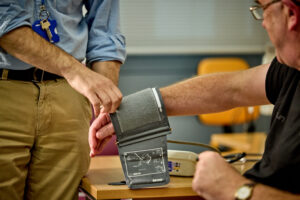
MBHC is a unique joined-up, single service bringing together psychiatrists, vascular specialists, clinical academics, and a multidisciplinary team to identify and support people at the earliest stages of memory loss. People will benefit from advanced diagnostic techniques such as MRI scans, lumbar punctures, heart health checks, and behavioural assessments, delivering an earlier and accurate diagnosis. This approach will also help identify underlying risk factors and inform the most effective treatment and support plan for individuals.
People who meet the requirements for the MBHC will be identified through existing memory assessment services and referred directly. Those who take part in the pilot in central Manchester will also be given the chance, if they are eligible, to take part in research and clinical trials.
Alzheimer’s Society Brain Health Advisers will work alongside NHS clinicians to offer personalised support, guidance and information to people with mild cognitive impairment (MCI), an early stage of memory and thinking changes, or dementia, as well as to anyone looking to improve their brain health through achievable lifestyle and health changes.
Michelle Dyson CB, Alzheimer’s Society Chief Executive Officer, said:
“Dementia is the UK’s biggest killer, but it is not an inevitable part of ageing. Nearly half (45%) of dementia cases worldwide could be prevented or delayed by addressing health and lifestyle factors, throughout our lives, like high blood pressure.
“If we can identify people early enough, we can significantly improve their brain health and help put the brakes on dementia. The Manchester Brain Health Centre really is changing the game, and we are proud to be a partner. This model could be replicated in other regions, transforming the future for thousands of people at risk of dementia or in the early stages of memory loss.”
Professor Adam Greenstein, Consultant Geriatrician at Manchester University NHS Foundation Trust, Clinical Scientist at University of Manchester and Alzheimer’s Society Ambassador, said:

“The Manchester Brain Health Centre is a game-changing approach which brings together partners who believe that greater collaboration can help diagnose more people at an earlier stage and improve health outcomes. We are combining clinical and research expertise to identify people earlier, address risk factors such as high blood pressure, and support patients to live better for longer.
This is an innovative step towards a proactive approach to brain health, and we are creating a model which we believe could be adopted more widely. Through this pilot, we will be generating the evidence to support future service collaboration and development by clinical, research and academic teams across the country.”
Dr Ross Dunne, Consultant Later Life Psychiatrist and Dementia Research Lead at Greater Manchester Mental Health NHS Foundation Trust, said:
“The Manchester Brain Health Centre is crucial to advancing our understanding and treatment of the diseases that cause dementia. Right now, the system is not set up for people when memory and thinking problems first appear. That is exactly when early diagnosis and treatment could have the greatest impact.
“We want the UK to be the best place in the world to get an early and accurate diagnosis. We can be a world leader in the research that will change the future of dementia. Together with our partners in Greater Manchester and Alzheimer’s Society, our aim is to develop a model for brain health clinics nationwide.”
Dr Helen Beaumont’s husband, Clive, was diagnosed with Young Onset Dementia at the age of 46. He died five years after his diagnosis, aged 51. Speaking about the importance of an early and accurate diagnosis, Helen, 75, from Manchester said:
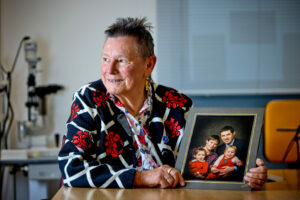 “Looking back now, it is clear that the signs were there for a while. Clive first went to his GP when he was 40 because he was struggling with reading and writing, but we were reassured it was nothing serious. As his symptoms worsened, he lost his job and gradually became unable to do the things he had always done with ease. We spent years searching for answers without understanding what was happening.
“When Clive was finally diagnosed with Young Onset Dementia, he was just 46. It took years to receive a diagnosis, and when we did, it was given to us over the phone from a consultant – after that we were largely left on our own. We had two young children and very little support. The diagnosis explained what had been happening, but it came far too late to spare our family years of uncertainty.
“As both a carer and now a dementia researcher, I know first-hand how much difference an earlier and more accurate diagnosis can make. It can help people understand what is happening, access the right support sooner and, increasingly, open the door to treatments and research opportunities.
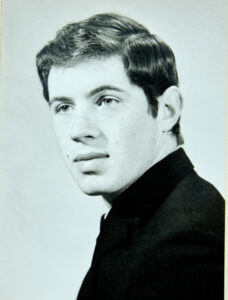
“If a service like the Manchester Brain Health Centre had existed when Clive first began experiencing symptoms, it would have made an enormous difference to him and to our family. I hope it will mean future families have a very different experience from ours and more people affected by dementia can access the answers, support and opportunities they need at the earliest possible stage.”
The Manchester Brain Health Centre’s pilot clinic is hosted at the National Institute for Health and Care Research (NIHR) Clinical Research Facility (CRF): Manchester at Manchester Royal Infirmary.
If you’re worried about yourself, or someone close to you, then Alzheimer’s Society’s symptom checklist can help you start a conversation with a GP. Visit alzheimers.org.uk/checklist or call their Dementia Support Line on 0333 150 3456.