Routine genetic testing used to guide chemotherapy has been strengthened by including an extra gene variant linked to African ancestry – an update that could potentially help save the lives of Black and ethnic minority cancer patients.
Until last year, in the UK, genetic tests were carried out which only sought to identify four main DPYD variants, typically found in the DNA of White Europeans. In 2024 the NHS Race and Health Observatory, in partnership with the University of Liverpool, published a systematic review of research findings which highlighted the limitations in this type of testing for ethnic gene variants in anti-cancer drug treatments used across the NHS and the need to address the health inequalities this created. Following this review, it was recommended that the fifth variant was included in routine testing across England.
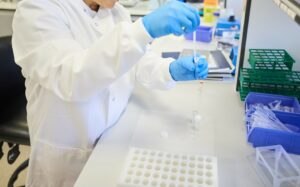
Since the groundbreaking test went live in September 2025 at Manchester University NHS Foundation Trust’s North West GLH, three patients of African ancestry at risk of adverse side effects and toxicity from chemotherapy drugs have responded positively following tests. Implementation of testing for the fifth variant are now underway at the other six Genomic Laboratory Hubs.
Until last year, in the UK, genetic tests were carried out which only sought to identify four main dihydropyrimidine dehydrogenase (DPYD) variants, typically found in the DNA of White Europeans.
Deficiency of dihydropyrimidine dehydrogenase (DPD), the enzyme responsible for breaking down fluoropyrimidine chemotherapy, can impair metabolism of these drugs, which are used to treat many cancers. This may cause severe side effects affecting the bone marrow, bowel and skin, and can occasionally be fatal.
The test is delivered from the Liverpool site of the North West GLH which provides DPYD genetic testing across the North West of England for more than 450 patients each month. It was one of the first genomic NHS laboratories in England to start routine, clinical testing for this fifth DPYD genomic variant.

The results are particularly significant as data and research for many cancer patients of non-European ancestry would not be routinely captured or reported as having a reaction to fluoropyrimidine chemotherapy.
Until now, other variants, more commonly found in diverse, ethnic groups, and which effect the breakdown of fluoropyrimidine chemotherapy, were not tested across the NHS, limiting outcomes and exacerbating ethnic health inequalities across cancer care.
Including the fifth variant, c.557A>G, in routine testing means that in the North West three patients (aged 47, 59 and 76) are now starting chemotherapy at adjusted doses. This reduces their risk of potentially fatal adverse drug reactions and should help ensure they can receive treatment more safely.
Emma Howard, North West Genomic Laboratory Hub Scientific Operational Director, said:
“Genomic testing is continuing to evolve as our understanding of genetic variation improves. By expanding the testing panel, we are taking a practical step towards ensuring cancer treatments are informed by evidence that better reflects the diversity of patients treated across the NHS.”
Professor Habib Naqvi, Chief Executive, NHS Race and Health Observatory, said
“Our work has led to a groundbreaking outcome in the use of chemotherapy, which is already having a positive impact on patient’s lives. Genomics and precision medicine are currently at the cutting edge of medical technology, promising a world in which treatments can be more targeted and effective. However, we also know that ethnic minority groups are under-represented in medical research and in genomic biobanks. Research needs to be conducted with diverse populations – only then can medical advances benefit everyone.”
Sohail Munshi, Chief Medical Officer, Manchester University NHS Foundation Trust, said:
“This is a powerful step forward that shows the real power of genomics to improve patient safety. By improving routine testing to better reflect the diversity of the communities we serve, we’re taking a practical step towards addressing health inequalities and reducing avoidable harm. Genomics will be central to the future of healthcare – helping us personalise treatment, use medicine more safely and deliver more equitable care across the NHS.”