 In this section
What is Asthma?
Asthma is a long-term condition that affects the airways in the lungs. It can cause breathlessness, wheezing, coughing, and chest tightness. Asthma symptoms happen when the airways become inflamed and narrow, making it harder to breathe. Treatment focuses on reducing the inflammation and keeping the airways open. Poorly controlled asthma can be life-threatening if it is not properly treated.
What is Severe asthma?
Severe asthma is asthma that remains difficult to control despite high-dose treatment, or asthma that needs regular steroid tablets to prevent symptoms becoming severe. Some people with severe asthma may continue to have symptoms, flare-ups, or hospital admissions even when taking their medication correctly. Our specialist team works to understand the cause of your symptoms and find the most effective treatment plan for you.
Meet some of our team

Dr Tom Pantin, Consultant in Severe Asthma and Respiratory Medicine

BSc (Hons), MD, FRCP
Tom is a Consultant Respiratory Physician with specialist interest in severe asthma and complex breathlessness. He completed his undergraduate medical training at the University of Manchester and his postgraduate training in the Northwest, West Midlands and Merseyside deaneries.
Dr David Allen, Consultant in Severe Asthma and Respiratory Medicine

MD, FRCP
David qualified in 1994 and has been a consultant involved in the care of patients with severe asthma since 2007. Dr Allen is also heavily involved in patient safety and improving quality of care through use of technology.
Dr Shruti Khurana, Consultant in Severe Asthma and Respiratory Medicine

MD, MRCP
Dr Shruti Khurana is a Respiratory Consultant at Wythenshawe Hospital with specialist expertise in severe asthma and biologic therapies. She is committed to delivering personalized, evidence-based care for patients with complex asthma and difficult-to-control airways disease.
Dr Sarah Drake, Consultant in Severe Asthma and Respiratory Medicine

PhD, MRCP
Dr Sarah Drake is a Respiratory Consultant specialising in severe asthma and airways disease. She completed a PhD focused on improving asthma diagnostics and has a strong interest in delivering accurate diagnoses and personalised, patient-centred treatment for individuals with severe asthma and complex airway conditions.
Professor Stephen Fowler, Professor of Respiratory Medicine

MD, FRCP
Stephen is a professor of respiratory medicine at the University of Manchester and honorary consultant physician at Manchester University NHS Foundation Trust. His clinical and research interests lie in the diagnosis, classification and management of airways disease, principally asthma and associated conditions such as inducible laryngeal obstruction and breathing pattern disorders.
Leanne Holmes, Consultant Nurse in Severe Asthma
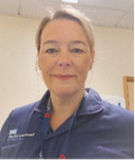
BSc, MRes, PhD candidate
Leanne is a Consultant Nurse in Severe Asthma who leads with a strong focus on patient advocacy, working closely with individuals to support both the physical and psychological impact of their condition. She is committed to delivering high-quality, person-centred care and empowering patients through shared decision-making, while also contributing to national leadership and research in severe asthma.
Lynn Elsey, Consultant Respiratory Pharmacist
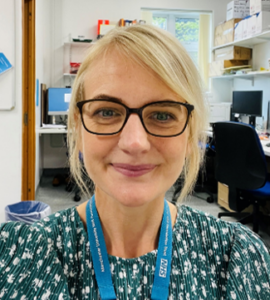
MPharm, MSc, MRPharmC (Consultant)
Lynn is a Consultant Respiratory Pharmacist who specialises in severe asthma biologics and asthma treatment optimisation.
Kerry Hince, Lead clinical nurse specialist – Severe Asthma
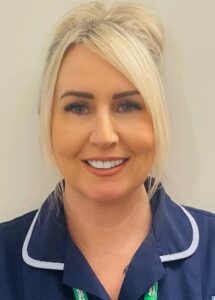
Kerry has worked within the severe asthma service for over 12 years and is a Clinical Nurse Specialist leading the Severe Asthma Nursing Team. She is also Joint Clinical Lead for the transition of young people from paediatric to adult services.
Reyenna Sheehan, Clinical Lead Respiratory Specialist Physiotherapist, Severe Asthma & Airways Service
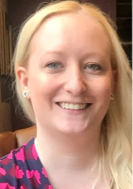
BSc(Hons), MCSP, Independent Prescriber
Reyenna is the Clinical Lead Physiotherapist for the Asthma and Airways services. Her specialist interests include assessment and management of disordered breathing patterns, severe asthma and complex breathlessness.
Dr Hannah Dowling, Principal Clinical Psychologist, Severe Asthma and Airways Service

BSc, ClinPsyD
Hannah is a clinical psychologist, specialising in physical health, using an integrative approach, grounded in Cognitive Behavioural Therapy (CBT), Acceptance and Commitment Therapy (ACT) and solution focused therapy to support living well with long term conditions.
Dr Gaël Tavernier, Lead Healthcare Scientist, Severe Asthma and Airways Service
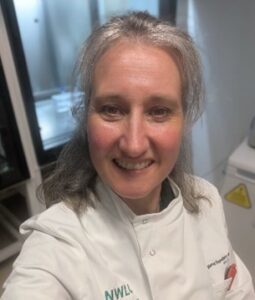
PhD
Gaël has created, developed and lead the bespoke sputum monitoring service for the last 30 years. She specialises in monitoring airway inflammation in chronic respiratory diseases and leads research in understanding sputum characteristics in patients with severe asthma, especially in response to biologics treatment.
Our Specialist Clinics and Services
New Patient Multidisciplinary Clinic
New patients attend a specialist half-day assessment clinic led by our severe asthma team, including consultants, nurses, and therapists.
During your appointment, we will:
- review your asthma history and current symptoms
- review your medications and inhaler use
- carry out an examination
- arrange specialist tests such as spirometry, FeNO and blood tests
You may also be asked to complete questionnaires to help us understand how asthma affects your daily life.
After your assessment, the team will create a personalised treatment and management plan tailored to your needs.
Severe Asthma Consultant Clinic (SAC, SACTele, SAF2F)
This is our main follow-up clinic for patients with severe asthma.
We use these appointments to:
- review your asthma control
- monitor your symptoms and treatments
- support patients with stable asthma
- assess any worsening symptoms or flare-ups
If needed, we may discuss additional tests or treatment options to help improve your asthma control.
Exacerbation Phenotype Clinic (SA-HOT)
Some patients may be asked to book into this clinic when their asthma symptoms begin to worsen. The clinic helps us better understand your type of asthma and identify what may be triggering your symptoms.
You may need to be seen if you notice:
- increased symptoms
- increased reliever inhaler use
- falling peak flow readings
During the appointment, we may carry out:
- an examination
- breathing tests
- blood tests and inflammation tests (biomarkers)
These results help guide treatment decisions with your asthma and may help us identify whether other conditions may also be contributing to your symptoms.
Please note: this clinic is not designed for severe asthma attacks requiring emergency treatment.
Young Adult Severe Asthma Clinic (YASA)
This clinic supports young people moving from children’s asthma services into adult care.
Our team provides additional support during this transition and helps young adults gain confidence in managing their asthma.
The clinic is led by severe asthma consultants and specialist nurses.
Severe Asthma Pregnancy Clinic
Pregnancy can sometimes affect asthma control, so regular review and support are important.
This clinic provides specialist care throughout your pregnancy to help keep your asthma well controlled and ensure you feel confident managing your symptoms.
We can:
- review your asthma regularly during pregnancy
- discuss the safety of asthma medications in pregnancy
- help you recognise worsening symptoms
- explain what to do if you develop an asthma attack
The clinic includes input from consultants, specialist nurses and pharmacists. When needed, we can also work with your obstetric and midwifery teams to provide joined-up care.
Treatment Adherence and Medicines Optimisation Clinic
Using asthma medication regularly and correctly is an important part of keeping asthma under control.
In this clinic, our specialist pharmacist team can:
- review your medications
- discuss treatment options
- support inhaler use and treatment routines
- create a personalised treatment plan with you
We may also use specialist tools such as inhaler monitoring devices and FeNO testing to help assess how well treatments are working.
Biologics Clinics
Patients starting biologic treatment will attend an initial assessment with a specialist nurse or pharmacist.
Biologic medicines are targeted treatments used for some types of severe asthma.
Treatment may be given:
- in clinic with support from our severe asthma nurses
- at home with support from a homecare nursing team
If suitable, patients can be trained to give injections themselves at home.
Patients on biologic therapies will also have an annual review to confirm treatment is helping improve your asthma control and reducing the need for steroid tablets.
Nurse Led Severe Asthma Clinic
Our specialist nurses provide focused asthma review appointments and personalised asthma action plans (PAAPs).
These clinics help patients:
- understand when asthma symptoms are worsening
- know when to seek medical help
- improve inhaler technique
- feel more confident managing their asthma
Our nurses can also provide training and support with inhaler use.
Specialist Physiotherapy Clinic
All patients are reviewed by our specialist physiotherapists during their initial assessment.
Further appointments may be offered to help with:
- breathing pattern disorders
- breathing control techniques
- sputum or mucus clearance
- Increasing physical activity and advice around exercise
Some patients may also benefit from specialist treatments or breathing devices designed to help clear mucus and improve breathing.
Clinical Psychology Clinic
Living with severe asthma can affect emotional wellbeing as well as physical health.
Our specialist psychology team supports patients who may be experiencing:
- anxiety
- low mood or depression
- stress related to asthma
- difficulties managing treatment
The clinic provides support to help patients cope with living with a long-term respiratory condition and improve confidence in managing their health.
What we do
All new patients referred to our service attend a specialist assessment clinic. During your visit, you may meet a range of healthcare professionals including:
- specialist respiratory doctors
- specialist nurses
- pharmacists
- physiotherapists
We also work closely with speech and language therapists, psychologists, dietitians and research scientists.
Personalised assessment and treatment
We carry out detailed assessments to better understand your asthma and how it affects your daily life. This helps us create a treatment plan tailored to your needs.
We use a wide range of tests to assess your symptoms and to identify the type of asthma you have. For more information about these tests, please see “What tests might be done?” section.
In some cases, we may also offer access to newer research tests that are not yet widely available on the NHS.
Specialist Treatments
For some patients, advanced treatments called biologic therapies (monoclonal antibodies) may help improve asthma control and reduce the need for steroid tablets. These medicines target specific types of inflammation linked to severe asthma.
Looking at the whole picture
Breathing problems are not always caused by asthma alone.
Some patients may also have:
- breathing pattern disorders
- throat or upper airway problems
- allergies
- other lung conditions
Our multidisciplinary team assesses all aspects of your breathing and lung health to make sure you receive the right diagnosis and treatment.
Sometimes patients are referred with symptoms thought to be asthma, but further testing shows another cause. We carefully review your symptoms, medical history, and test results before confirming a diagnosis.
What to expect at your first appointment
Your first appointment may last several hours and may include tests and assessments with different members of the team.
Please bring:
- your inhalers and medications
- any peak flow readings
- details of recent hospital visits
- a list of questions you would like to ask
What tests might be done
Lung Function Test (Spirometry)
Spirometry is a simple breathing test that checks how well your lungs are working.
During the test, you will be asked to breathe into a mouthpiece connected to a machine called a spirometer. You may be asked to take a deep breath in and then blow out as hard and fast as you can.
The test helps us assess conditions such as:
- asthma
- chronic obstructive pulmonary disease (COPD)
- other lung conditions
Spirometry measures:
- how much air you can breathe out with force from your lungs (Forced vital capacity, FVC)
- how quickly you can empty your lungs in one second (Forced expiratory volume in one second, FEV1)
Peak Flow
Peak flow is a quick breathing test that measures how fast you can blow air out of your lungs.
You will blow into a small handheld device called a peak flow meter.
This test can help us:
- monitor asthma control
- identify narrowing of the airways
- track changes in your breathing over time
FeNO Test (Fractional Exhaled Nitric Oxide)
FeNO is a simple breath test that measures inflammation in your airways.
During the test, you will breathe slowly into a mouthpiece.
Higher levels of nitric oxide can suggest inflammation linked to certain types of asthma. The results can help guide treatment decisions.
Asthma and Allergy Blood Tests
Blood tests can help us understand the type of asthma you have and whether allergies may be contributing to your symptoms.
These tests look for markers linked to inflammation and allergy activity in the body.
The results can help us:
- monitor asthma control
- guide treatment choices
- identify whether specialist treatments may help
Imaging (Chest X-rays and Scans)
We may review chest X-rays or other lung scans as part of your assessment.
These images can help identify signs of lung disease or other conditions that may be affecting your breathing.
The results help us develop a treatment plan tailored to your needs.
Sputum Analysis
Sputum is mucus or phlegm coughed up from the lungs.
A sputum sample can help us look for:
- signs of airway inflammation
- infection
- different types of asthma
This test may be particularly useful when symptoms are worsening or during asthma flare-ups.
Severe Asthma Treatments
Inhalers
Inhalers are the main everyday treatment for asthma. They help reduce inflammation in the airways and make breathing easier.
Most people with asthma use:
- a preventer inhaler containing a steroid medicine to reduce inflammation
- a reliever inhaler to quickly ease symptoms when needed
Some inhalers contain a combination of medicines that both reduce inflammation and help open the airways.
There are many different inhaler devices available. During your clinic visits, our team will:
- review your inhalers and medications
- check your inhaler technique
- help you choose the most suitable inhaler for you
Using your inhalers correctly and regularly is an important part of keeping asthma well controlled.
Additional Treatments
Some patients may need extra treatments alongside their usual inhalers.
These may include:
- additional inhalers
- tablets
- other medicines to help improve asthma control
These treatments work in different ways to reduce inflammation, relax the airways and improve breathing.
Your treatment plan will be tailored to your individual needs.
Oral Steroids
Steroid tablets, such as prednisolone, are sometimes needed to treat asthma flare-ups.
These medicines are very effective at reducing inflammation in the lungs and can help improve symptoms quickly.
However, steroid tablets can cause side effects when used regularly over a long period of time. Because of this, our team carefully monitors patients who need frequent steroid treatment.
If you require regular steroid tablets, your consultant may discuss more advanced treatment options that could help reduce your need for steroids.
Biologic Treatments for Asthma
Biologic treatments are advanced medicines used for some types of severe asthma.
They work by targeting specific parts of the immune system linked to asthma inflammation. These treatments are more targeted than steroid tablets and may help improve asthma control while reducing the need for oral steroids.
Biologic treatments are only suitable for certain types of asthma. Our specialist team will discuss these treatments with you if they may be helpful for your condition.
Some biologic treatments can be given at home after appropriate training and support.
Research in Severe Asthma
We not only provide an excellent clinical service but also produce a significant amount of research into asthma through clinical trials, the academic programme based at the North West Lung Centre, and collaborations with the University of Manchester. We are one of the UKs leading centres for research into lung disease. We perform a large range of studies from lab-based research to large clinical trials. This means we are at the cutting edge of new asthma tests and treatments.
Referral Information for Health Care Professionals
To refer a patient to the severe asthma service at Wythenshawe hospital, patients must be aged 18+ and have uncontrolled or severe asthma despite optimised primary care treatment.
Required Referral Criteria
Before referring, primary or secondary care must confirm the diagnosis and rule out other medical conditions. The patient must meet at least one of the following criteria despite adherence to maximum inhaled therapies (high-dose ICS, LABA, and LAMA).:
- Frequent exacerbations: (e.g. 2 or more) courses of oral corticosteroids (OCS) or asthma-related hospital/A&E admissions in the past 12 months or one ICU admission
- Poor symptom control: Asthma Control Questionnaire (ACQ) score (>1.5) or Asthma Control Test (ACT) score (<20)
- SABA over-reliance: (e.g. 6 or more) short-acting bronchodilator (SABA) prescriptions in the previous 12 months.
- Maintenance OCS: Patients requiring continuous or frequent oral corticosteroids.
Essential Pre-Referral Checklist
Referrals are triaged and will be rejected if the following has not been documented:
- Adherence: Checked via primary care and hospital prescription records.
- Inhaler Technique: Assessed, corrected, and documented.
- Comorbidities: Treatment and optimization of concurrent conditions (e.g., chronic rhinosinusitis, inducible laryngeal obstruction, obesity, or anxiety).
- Diagnostic Data: Inclusion of any recent (within 12 months) blood eosinophil counts, FeNO levels, and spirometry (dates of results must be included).
How to Refer
There is a link below to our referral proforma, this should be completed and attached to the referral letter.
The referral and proforma can be emailed to the severe asthma service on the email below. Only referrals from NHS emails will be accepted. GPs can refer via the NHS e-Referral Service (e-RS), please ensure all essential information is included.
Contact Details
Phone: 0161 291 2834 / 0161 291 4153
Email: asthma@mft.nhs.uk
Location
Wythenshawe Hospital, Southmoor Road, Manchester, M23 9LT
Consultants
- Dr David Allen - Respiratory Consultant
- Dr Sarah M. Drake - Consultant in Severe Asthma and Respiratory Medicine
- Professor Stephen Fowler - Professor of Respiratory Medicine and Honorary Consultant Physician
- Dr Shruti Khurana - Respiratory Consultant
- Dr Tom Pantin - Consultant Respiratory Physician